Face reading is a method that looks at facial features to understand behaviour patterns, habits, and the way a person responds to life. It does not claim to predict the future. Instead, it focuses on how you tend to think, react, and make decisions, based on features that develop and change over time.
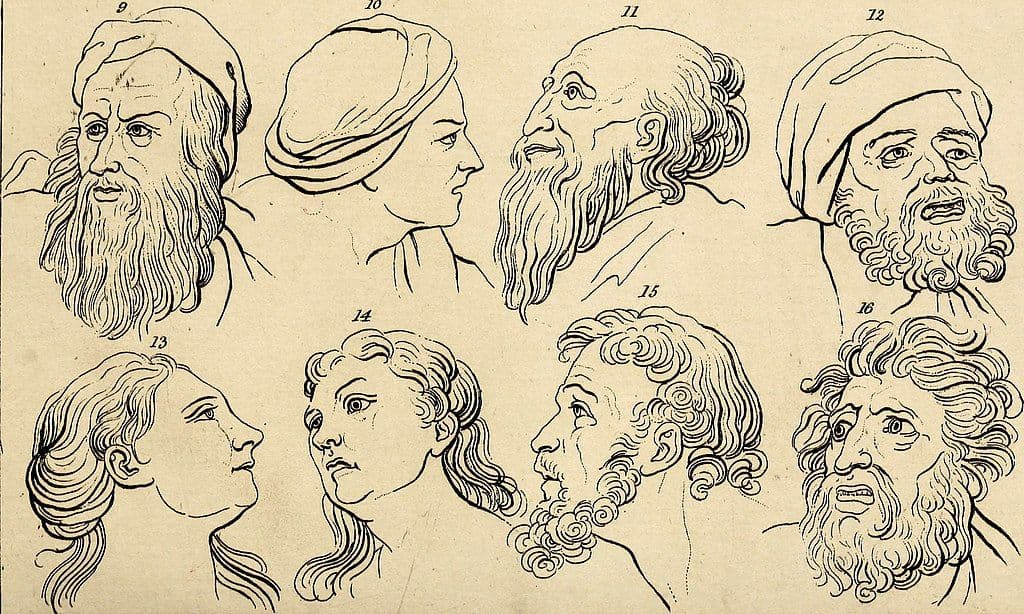
This method has roots in traditional face reading practices, often called physiognomy, and has been adapted here for modern, everyday questions. The idea is simple: your face reflects repeated patterns. Stress, responsibility, emotional habits, and life experience all leave small but visible marks. When these are looked at carefully and in context, they can offer useful insight.
A face reading usually starts with a clear photo or a short video session. Rachel looks at the face in a set order, rather than focusing on one feature alone. No single part of the face is read in isolation. What matters is how features work together.
The forehead and hairline are looked at first. This area relates to thinking style, planning, and how you approach new situations. A higher or more open forehead often points to forward thinking and adaptability, while more lines or tension can reflect mental load or long periods of pressure.
Next are the eyebrows and eyes. These show how you take in information and how you respond to people around you. The spacing, shape, and movement of this area can suggest whether you are cautious or direct, emotionally open or more guarded. It can also show how quickly you react under stress.
The nose and cheeks are then considered. This part of the face is often linked to confidence, responsibility, and practical matters such as work or money habits. Balance here can suggest steady effort and consistency, while sharper or more defined features may point to independence and a strong sense of control.
The mouth and lips reflect communication and emotional expression. The way the lips sit, their balance, and the corners of the mouth can suggest how easily you express feelings, how you handle conflict, and whether you tend to speak carefully or openly.
Finally, the jawline and chin are reviewed. This area relates to persistence and follow-through. A stronger jaw can suggest determination and staying power. A softer jaw may point to flexibility and a preference for adjusting rather than pushing.
During facial reading, we move through each of these areas in order and link them back to your focus area. If your focus is work, the reading looks at decision-making style, pressure handling, and communication at work. If your focus is relationships, it looks at emotional pace, boundaries, and how you connect with others.
The outcome of a face reading is not a judgment. It is a clear summary of tendencies. You are shown where you naturally push forward, where you may need to slow down, and where awareness can help you make better choices.
Face reading works best when you want self-understanding rather than quick answers. It helps you recognise patterns you already live with, so you can respond with more clarity and intention in daily life.


Face Reading: Understanding What Your Features Say About You
Blog · RachelJanuary 1, 2026